
Wealth as Divine Grace: A Tantric Perspective from Devi Bhagavatam and Durga Saptashati
Lilendra Purush Dhakal
Writer and spiritual educator sharing insights on tantra, yoga, vedanta and authentic sadhanas for modern seekers.
Wealth as Divine Grace: A Tantric Perspective from Devi Bhagavatam and Durga Saptashati
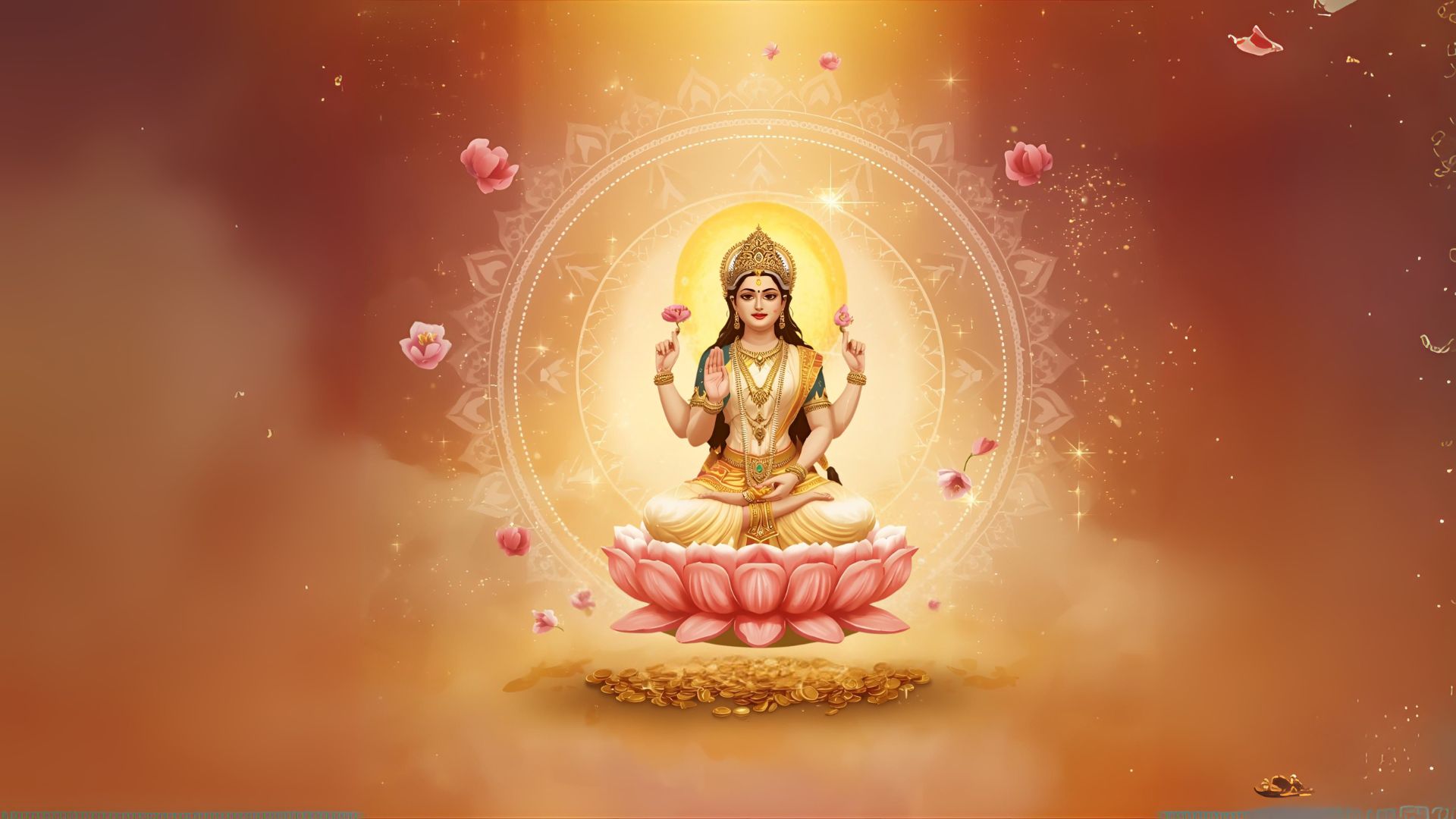
In the vast spiritual landscape of Sanatana Dharma, the Tantric tradition offers a profound perspective on wealth and opulence, viewing them as vibrant expressions of divine energy rather than mere worldly distractions. Unlike many global religious systems that approach material success with caution or skepticism, often associating it with moral compromise or spiritual hindrance, Tantra embraces prosperity as a benevolent outpouring from Goddess Shakti, the primordial force animating the universe. Shakti, originating from her foundational form as Adi Shakti, manifests in countless archetypes—such as the protective Durga or the nurturing Lakshmi—each reflecting the multifaceted energies of existence. In Tantra, everything pulses with her essence, from physical matter to mental states, intellectual pursuits, emotional depths, and spiritual aspirations. Without her invoked presence through dedicated reverence, individuals may find themselves deprived of earthly contentment, affluence, and the path to transcendence after life’s end.
This Tantric lens reshapes perceptions of wealth, fostering admiration and empathy over resentment or division. Unlike philosophical traditions that might breed disdain for the prosperous due to comparisons of scarcity, Tantra encourages recognizing opulence as a sign of Shakti’s favor. Encountering someone thriving in happiness and abundance prompts a heartfelt acknowledgment that Bhavani has extended her mercy upon them, warranting respect as vessels of her divine light. For those enduring poverty or distress, the response shifts to supportive action—sharing knowledge of Devi’s glory or offering prasadam in forms like nourishment or guidance to draw them closer to Durga Bhavani. This paradigm bridges societal gaps, aligning with Sanatana Dharma’s emphasis on interconnectedness, where material gains propel one toward greater awareness and communal harmony.
The historical roots of this perspective trace to texts like the Devi Bhagavatam, a Shakta Purana, attributed to Sage Vyasa, which elevates the Goddess as the supreme reality. Alongside the Durga Saptashati from the Markandeya Purana, it forms the backbone of Shaktism, where Shakti is worshipped as the creative force behind prosperity. Here, wealth is not an illusion to renounce, as in some Buddhist traditions, nor a test of faith as in certain Abrahamic faiths, but an integral part of divine play. Lakshmi’s emergence from the ocean’s churning in Puranic lore symbolizes abundance arising from cooperative effort, a metaphor for balancing material pursuits with ethical conduct.
Delving into the Devi Bhagavatam, Book 3, Chapter 11, verses 50 through 56, we find a compelling call to observe human conditions and infer the role of Goddess worship.
Devi Bhagavatam Book 3, Chapter 11, Verses 50–56
anumānamidaṃ rājan kartavyaṃ sarvathā budhaiḥ |
dṛṣṭvā rogayutāndīnānkṣudhitānnirdhanāñchaṭhān ||50||

janānārtāṃstathā mūrkhānpīḍitānvairibhiḥ sadā |
dāsānājñākarānkṣudrānvikalānvihvalānatha ||51||

atṛptānbhojane bhoge sadārtānajitendriyān |
tṛṣṇādhikānaśaktāṃśca sadādhiparipīḍitān ||52||

tathā vibhavasampannān putrapautravivardhanān |
puṣṭadehāṃśca sambhogaiḥ saṃyutānvedavādinaḥ ||53||

rājalakṣmyā yutāñchūrānvaśīkṛtajanānatha |
svajanairaviyuktāṃśca sarvalakṣaṇalakṣitān ||54||

vyatirekānvayābhyāṃ ca vicetavyaṃ vicakṣaṇaiḥ |
ebhirna pūjitā devī sarvārthaphaladā śivā ||55||

samārādhitā ca tathā nṛbhirebhiḥ sadāmbikā |
yato mī sukhinaḥ sarve saṃsāre'sminna saṃśayaḥ ||56||
In translation: O King! The wise must always make this inference after seeing those who are diseased, wretched, hungry, poor, and wicked. After seeing people who are suffering, foolish, always oppressed by enemies, servile, obedient to orders, mean, disabled, and distressed. Those unsatisfied in food and enjoyment, always sorrowful, who have not conquered their senses, full of excessive craving, incapable, and always tormented by their superiors. And conversely, after seeing those who are endowed with wealth, with growing sons and grandsons, with healthy bodies, endowed with comforts, and knowledgeable in the Vedas. Those endowed with royal prosperity, brave, who have subjugated people, not separated from their kin, and marked with all auspicious characteristics. The discerning should reflect, through the methods of Vyatireka and Anvaya (negative and positive correlation), that the auspicious Goddess, the giver of all desired fruits, has not been worshipped by these (the unhappy people described first). And in the same way, the eternal Mother Ambikā has been properly worshipped by these (the happy people described later), because they are all happy in this world, without a doubt.
These verses employ logical reasoning to establish that devotion to the Goddess is the underlying cause of bliss and abundance, while its absence invites adversity, urging practitioners to cultivate consistent adoration.
This insight aligns with Shakta traditions, where Shakti is venerated as the supreme essence, akin to Brahman yet actively shaping the world. Ancient commentaries emphasize the Goddess as Kamada, the fulfiller of desires, bestowing riches upon sincere devotees. Rituals like offering Bilva leaves or chanting during auspicious times, practiced for centuries in Indian temples, reflect this. During Diwali, homes are adorned to welcome Lakshmi, symbolizing wealth through purity and light, underscoring Tantra’s pragmatic approach where prosperity supports dharma and spiritual growth.
The theme deepens in Devi Bhagavatam Book 4, Chapter 15, verses 20 and 21, linking present luxuries to past-life reverence.
Devi Bhagavatam Book 4, Chapter 15, Verses 20–21
ye vījyamānāḥ sitacāmaraiśca
krīḍanti dhanyāḥ śibikādhirūḍhāḥ |
taiḥ pūjitā tvaṃ kila pūrvadehe
nānopahāraiti cintayāmi ||20||

ye pūjyamānā varavāraṇasthā
vilāsinīvṛndavilāsayuktāḥ |
sāmantakaiścopanatairvrajanti
manye hi taistvaṃ kila pūjitāsi ||21||
Translated: I think that those fortunate ones, who are being fanned with white chowries and are reveling while seated on palanquins, must have certainly worshipped you with various offerings in a former life. Those who, seated on excellent elephants and accompanied by a multitude of beautiful women and luxuries, proceed while being honored by submissive feudatory kings—I believe that you have indeed been worshipped by them.
These lines evoke regal splendor, attributing it to prior devotion, reinforcing Tantra’s karmic view where energy cycles across lifetimes. Prosperity, marked by palanquins and homage, is a divine reward for honoring Shakti.
Further, Devi Bhagavatam Book 5, Chapter 20, verses 7 through 11, tie worship to status and its absence to deprivation.
Devi Bhagavatam Book 5, Chapter 20, Verses 7–11
yaiḥ pūjitā pūrvabhave bhavānī
satkundapuṣpairatha campakaiśca |
bailvairdalaiste bhuvi bhogayuktā
nṛpā bhavantītyanumeyamevam ||7||

ye bhaktihīnāḥ samavāpya dehaṃ
taṃ mānuṣaṃ bhāratabhūmibhāge |
yairnārcitā te dhanadhānyahīnā
rogānvitāḥ santativarjitāśca ||8||

bhramanti nityaṃ kila dāsabhūtā
ājñākarāḥ kevalabhāravāhāḥ |
divāniśaṃ svārthaparāḥ kadāpi
naivāpnuvantyaudarapūrtimātram ||9||

andhāśca mūkā badhirāśca khañjāḥ
kuṣṭhānvitā ye bhuvi duḥkhabhājaḥ |
tatrānumānaṃ kavibhirvidheyaṃ
nārādhitā taiḥ satataṃ bhavānī ||10||

ye rājabhogānvitaṛddhipūrṇāḥ
saṃsevyamānā bahubhirmanuṣyaiḥ |
dṛśyanti ye vā vibhavaiḥ sametāḥ
staiḥ pūjitāmbetyanumeyameva ||11||
Translated: O Bhavānī! It should be inferred thus: Those who worshipped you in a previous life with excellent Kund flowers, Campaka flowers, and Bilva leaves, become kings on this earth, endowed with enjoyments. Those who, devoid of devotion, obtain that human body in the land of Bhārata, but do not worship you, are devoid of wealth and grain, afflicted with diseases, and deprived of progeny. They constantly wander as servants, mere order-followers and burden-bearers. Though self-centered day and night, they never even obtain mere filling of their stomach. The wise should make this inference regarding those on earth who are blind, mute, deaf, lame, afflicted with leprosy, and partakers of sorrow: O Bhavānī, you have never been worshipped by them. O Ambā (Mother)! It should certainly be inferred that you have been worshipped by those who are seen endowed with royal pleasures, full of prosperity, served by many people, or united with splendors.
These verses contrast the fortunes of devotees versus non-devotees, underscoring worship’s transformative power in determining life circumstances.
Tantra views wealth as part of Shakti’s play, unlike Buddhist illusions or Christian poverty virtues. Shastras like Manu Smriti demand ethical wealth creation, mirroring Tantra’s balanced energy flow. Modern applications include Lakshmi mantras or Sri Yantra meditation for stability.
Devi Bhagavatam Book 5, Chapter 22, Verses 41–42
devi tvadaṅghribhajane na janā ratā ye
saṃsārakūpapatiṭāḥ patitāḥ kilāmī |
te kuṣṭhagulmaśir'ādhiyutā bhavanti
dāridryadainyasahitā rahitāḥ sukhaughaiḥ ||41||

ye kāṣṭhabhāravahane yavasāvahāre
kārye bhavanti nipuṇā dhanadārahīnāḥ |
jānīmahe 'lpamatibhirbhavadaṅghrisevā
pūrve bhave janani tairna kṛtā kadāpi ||42||
Translated: O Goddess! Those people who are not devoted to the worship of your feet have fallen into the well of worldly existence and are indeed fallen. They become afflicted with leprosy, tumors, and headaches, accompanied by poverty and wretchedness, and are devoid of abundant happiness. O Mother! We know that those who are skilled in the work of carrying loads of wood and gathering grass, but are devoid of wealth and a wife (family), never performed service to your feet in a previous birth, due to their lack of intelligence.
These lines depict non-devotion as a plunge into suffering, where skilled labor yields no fruit without her blessing, emphasizing worship’s role in fulfillment.
Culminating the exploration, Durga Saptashati Chapter 4, Verse 15, from the Markandeya Purana, encapsulates the faithful’s blessings.
Durga Saptashati Chapter 4, Verse 15
te sammatā janapadeṣu dhanāni teṣāṃ
teṣāṃ yaśāṃsi na ca sīdati dharmavargaḥ |
dhanyāsta eva nibhṛtātmajabhṛtyadārā
yeṣāṃ sadābhyudayadā bhavatī prasannā ||15||
Translated: They are honored in society, possess wealth, their fame spreads, and their religious duties never decline. Truly blessed are they alone, whose sons, servants, and wife are secure, and upon whom you, O Goddess, the bestower of constant prosperity, are always gracious.
This verse highlights social honor, fame, dharma, and familial peace as outcomes of the Goddess’s favor, affirming her as the root of bliss.
Tantric rituals, like Sri Yantra meditation or Kamala mantras, amplify these teachings. Puranic accounts show gods invoking Shakti to regain fortunes, illustrating her as balance’s restorer. Modern financial wellness programs blend these with contemporary strategies, viewing wealth holistically. Unlike Vaishnavism’s Krishna-centric opulence, Shaktism centers on Devi’s dynamic force. Buddhist detachment contrasts with Tantra’s transformative pathways. Ethical guidelines warn that wealth without dharma erodes, as in tales of greed-felled demons.
This exploration of Tantra’s affirming stance on opulence reveals wealth as a radiant gift of Shakti’s divine grace, weaving ancient wisdom with timeless relevance to underscore her pivotal role in nurturing both prosperity and spiritual harmony. Tantric literatures like Devi Bhagavatam and Durga Saptashati, among many others, affirm that without Devi’s favor, health, wealth, beauty, and power remain elusive, while her devotees flourish in abundance.
Tantra rejects scorn for worldly blessings, urging instead a reverent gaze upon them as manifestations of Shakti’s vibrant energy. Those blessed with opulence are not to be envied or outwardly exalted, lest ego be inflamed, but quietly honored within as reflections of her benevolence. This inward reverence frees the practitioner from jealousy and pride, opening channels for similar blessings to flow into their life. By embracing wealth, health, and beauty as expressions of Shakti’s cosmic dance, and grounding them in ethical conduct and heartfelt devotion, Tantra invites all to align with her divine rhythm, fostering a life of harmony, elevation, and unity with the eternal pulse of creation.
Share this article
Related Articles
The Transformative Power of Navaratri Sadhana
Discover how the nine nights of Navaratri can transform your spiritual practice and deepen your connection with the Divine Feminine.

The Essence of Tantra Yoga Vidya
Explore the profound meaning and sacred symbolism behind Tantra Yoga Vidya, a transformative system that integrates ancient wisdom with modern accessibility.

Significance of Navaratri Sadhana
Navaratri Sadhana is more than a festival; it is a disciplined path to harness divine archetypes for empowerment and inner transformation.
Vijaya Dashami: The Celebration of Victory Over Darkness
Discover the spiritual and yogic significance of Vijaya Dashami. Learn how the stories of Goddess Durga’s victories symbolize our inner battles against negativity, ego, and ignorance.