
The Art of Chanting: Mastering Sanskrit Pronunciation
Ananda Vijaya
Sanskrit scholar and mantra practitioner specializing in Vedic and Tantric chanting traditions.
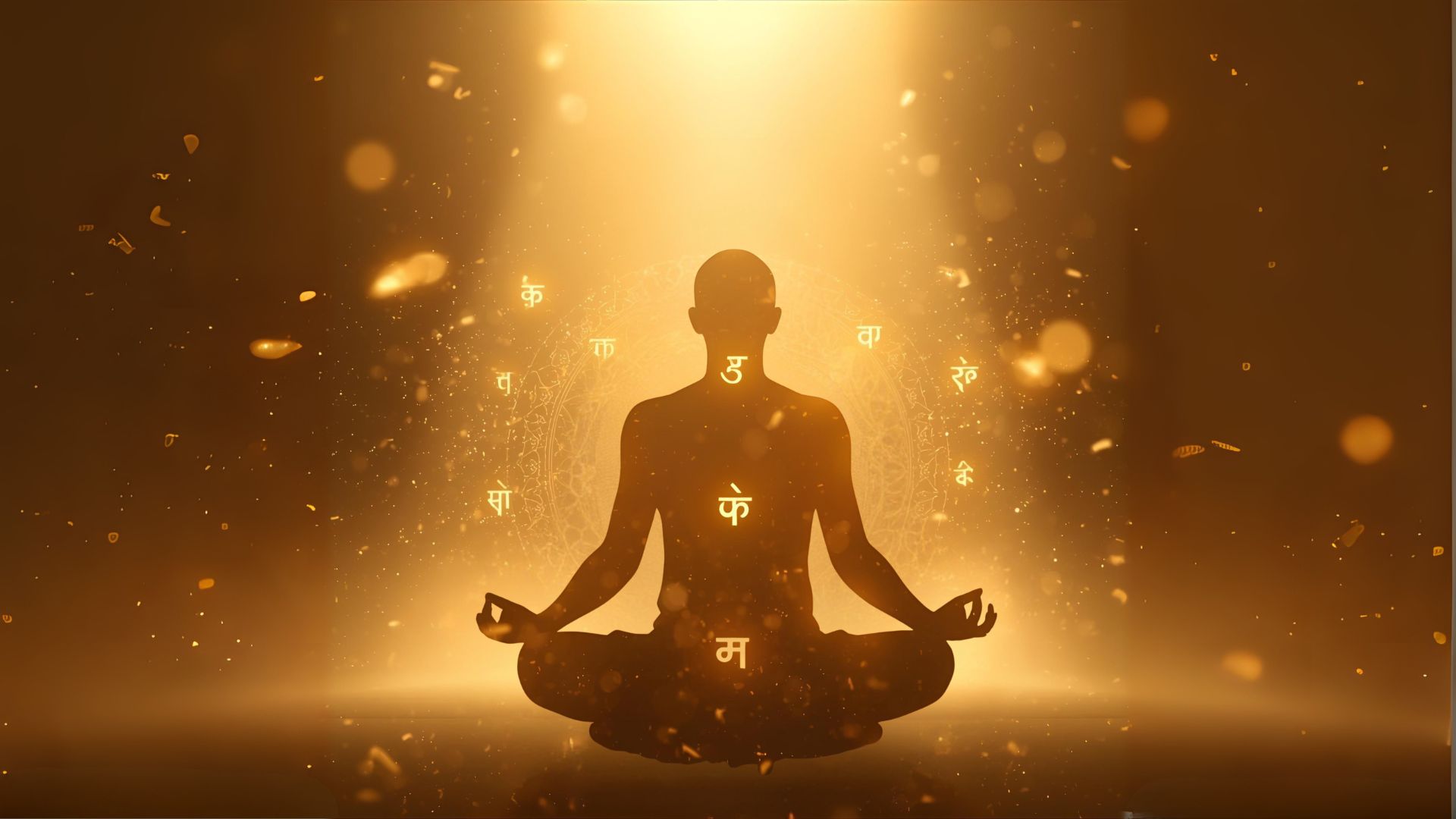
Chanting sacred Sanskrit mantras is not merely about reciting words—it's about harnessing the vibrational power of sound to transform consciousness. In the Tantric tradition, sound (shabda) is considered a fundamental aspect of reality. Each Sanskrit syllable corresponds to a specific frequency that activates particular energy patterns in our subtle body. When we pronounce mantras correctly, we align ourselves with these natural frequencies, allowing the sound to work at deeper levels of our consciousness.
Why Proper Pronunciation Matters
Improper pronunciation may still have psychological benefits, but it doesn't fully access the transformative potential encoded in the original sounds. Think of it like playing a musical instrument—playing the right notes in the right sequence produces harmony, while incorrect notes create dissonance. In yoga and tantra, mantras are precise technologies for spiritual awakening, and their effectiveness depends on accurate transmission.
Essential Sanskrit Sounds
Vowel Sounds
Special Characters
Practice Tips for Beginners
- Start with listening: Before attempting to chant, listen to recordings of experienced practitioners to internalize the correct rhythm and intonation.
- Practice slowly: Break down longer mantras into smaller phrases and practice each section separately before combining them.
- Focus on breath: Coordinate your chanting with your breath—inhale deeply, then chant as you exhale slowly and steadily.
- Use a mala: A string of 108 beads helps maintain focus and count repetitions without mental distraction.
- Chant with intention: Remember that the meaning behind the words is as important as their sound. Meditate on the significance of what you're chanting.
"The sound of sacred words carries energy and meaning beyond their literal translation. As you chant, allow yourself to be immersed in the vibration and meaning of each syllable."
With consistent practice and attention to detail, your chanting will naturally improve. Don't be discouraged by initial difficulties—every master was once a beginner. The most important aspect is your sincerity and dedication to the practice. At Tantra Yoga Vidya, we provide audio guides, transliterations, and expert instruction to help you master the art of chanting and unlock its transformative power in your spiritual journey.